

Belonging - Before Crisis
Every child deserves to feel understood, valued and part of a community.
When children face chronic exclusion and feel like they don’t belong, they experience profound psychological, neurological and social shifts that alter how they see the world. Because humans are wired to rely on community for survival, a lack of belonging is treated by the brain and body as a severe, ongoing threat.
What happens when a child is excluded or can’t fit in?
When traditional networks like schools, peers or families exclude or reject a child, the child's natural drive for "belongingness" does not disappear. Research shows that they will generally pivot in one of two directions:
They will search for alternative belonging: in doing so they become highly vulnerable to exploitation. Research shows that they frequently seek community in marginalized or harmful alternative groups, such as gangs, extremist factions, or online radical spaces where unconditional acceptance is offered in exchange for compliance. This does not mean that children with SEND are more likely to become offenders - what it DOES mean is that children who face rejection ( for whatever reason) are more likely to be tempted in that direction.
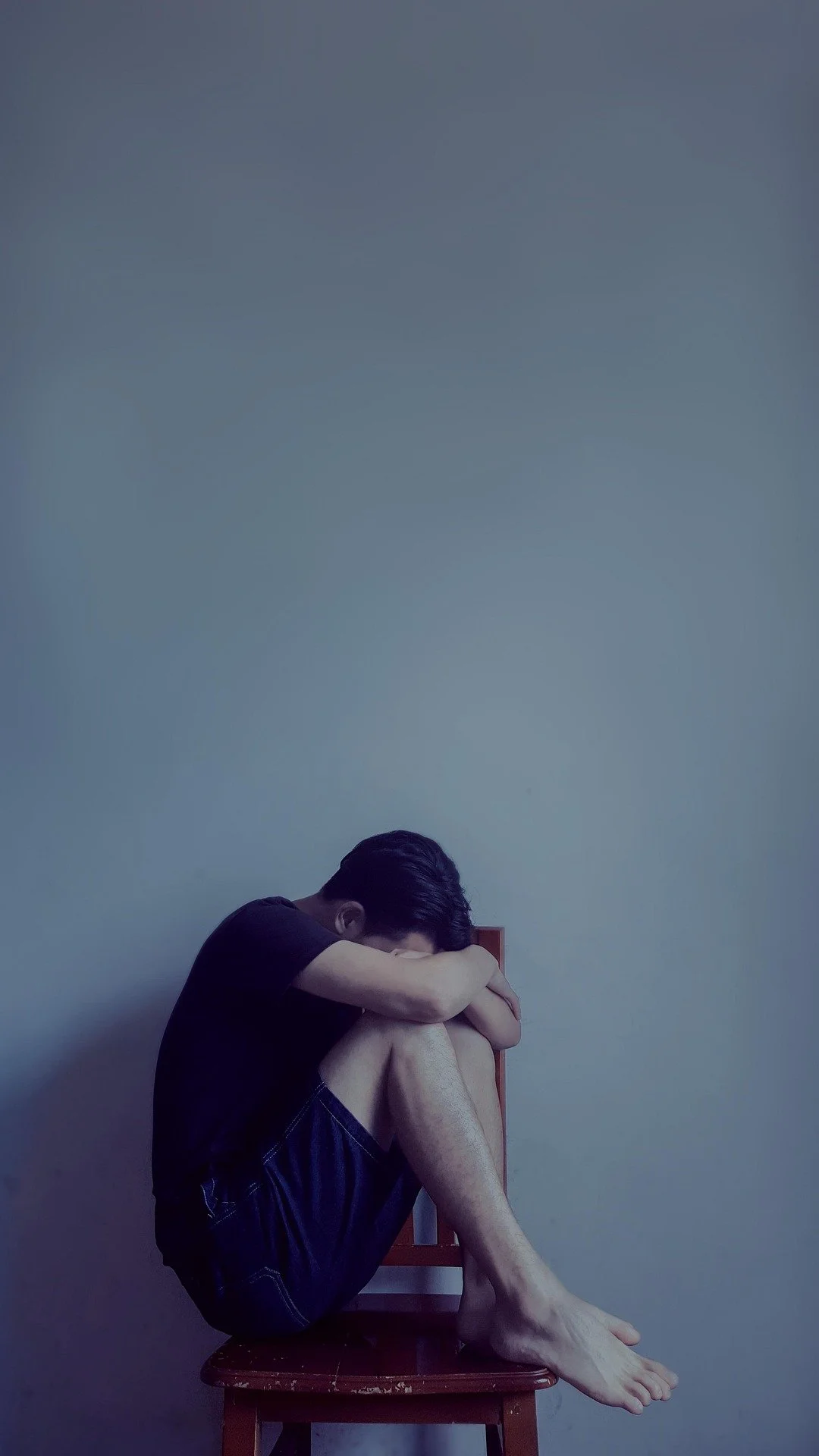
They will withdraw socially and turn to unhealthy behaviors: Other children turn inward. This results in severe anxiety, clinical depression, self-harming behaviors, and substance abuse as a means to numb the emotional vacuum.
The trajectory of an excluded child often carries directly into their adult life:
As adults, they struggle to form secure, romantic or platonic attachments because they struggle to believe that anyone genuinely wants them around. They may also be hyper-aware of social cues, frequently misinterpreting neutral interactions (like an unreturned text or a busy colleague) as a deliberate rejection.

Breaking The Cycle
THERE IS HOPE!
The trajectory is not permanent.
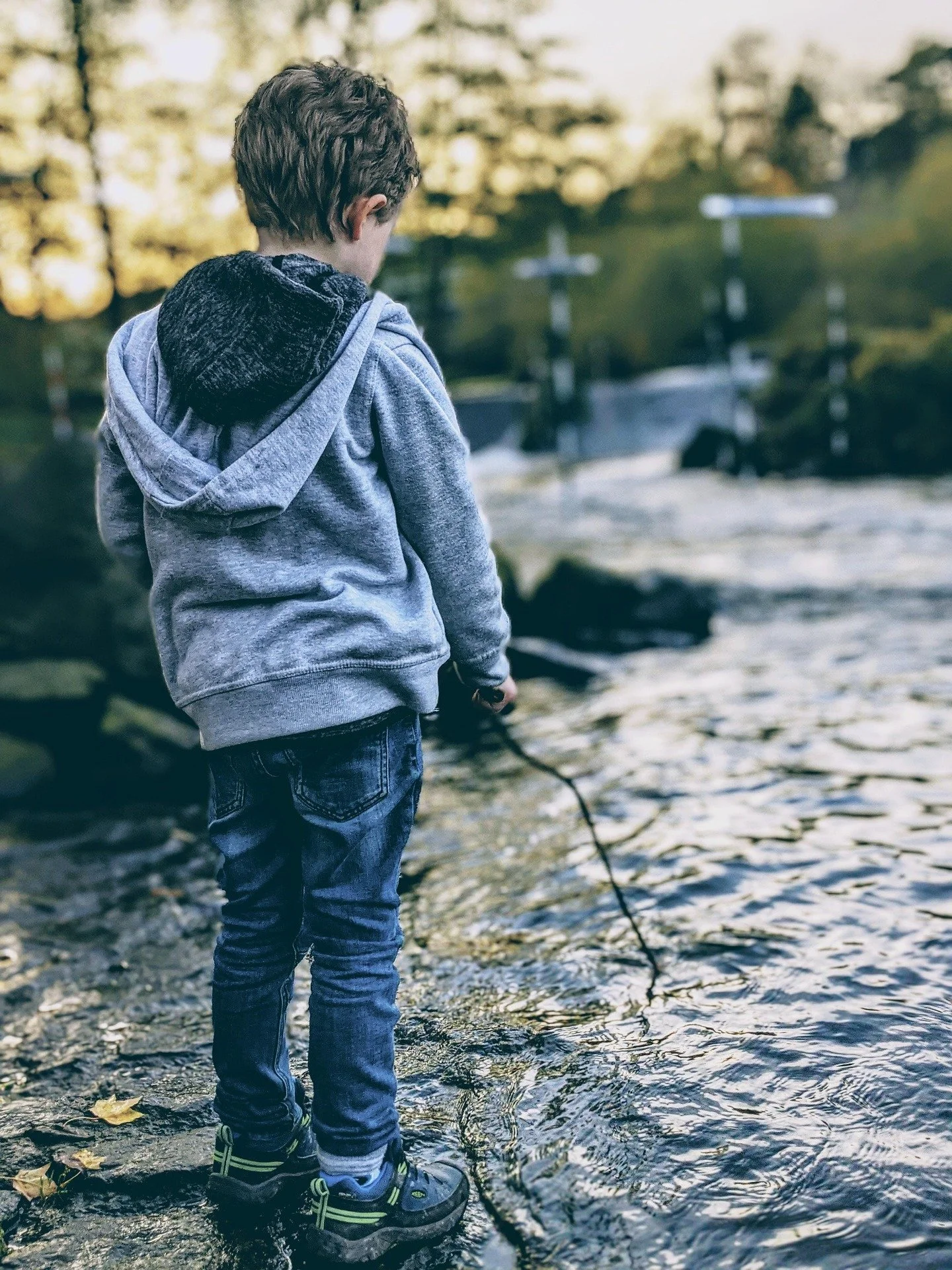
Research tells us that even tiny, consistent acts of recognition (something as simple as a teacher making direct eye contact, a peer offering a smile, or a mentor asking them a genuine question) can interrupt the cycle and rewrite a child’s story.
When these individuals find even one safe space or anchor relationship, they can reframe their history from personal failure to converting their past wounds into profound empathy and wisdom.
Our forthcoming Oasis Village - Scarborough and our Safe Spaces provision is designed to tackle the social exclusion and worthlessness often experienced by neurodivergent children who are both intelligent and capable, but who cannot cope in school or have been excluded due to their inability to tolerate a school environment. We believe that this is incredibly powerful and necessary work.
Havenswood Trust provides spaces that directly step in to serve as that life-changing anchor for children who often feel completely disposable to the world. Breaking the cycle of systemic and social exclusion requires immense dedication and hard work, but as the research shows, providing even one genuinely safe space can completely rewrite a child’s neurological and social trajectory.
To find out more or register your interest click on the link below.