
Havenswood Learning
Community
Providing Safe Spaces for SEND children
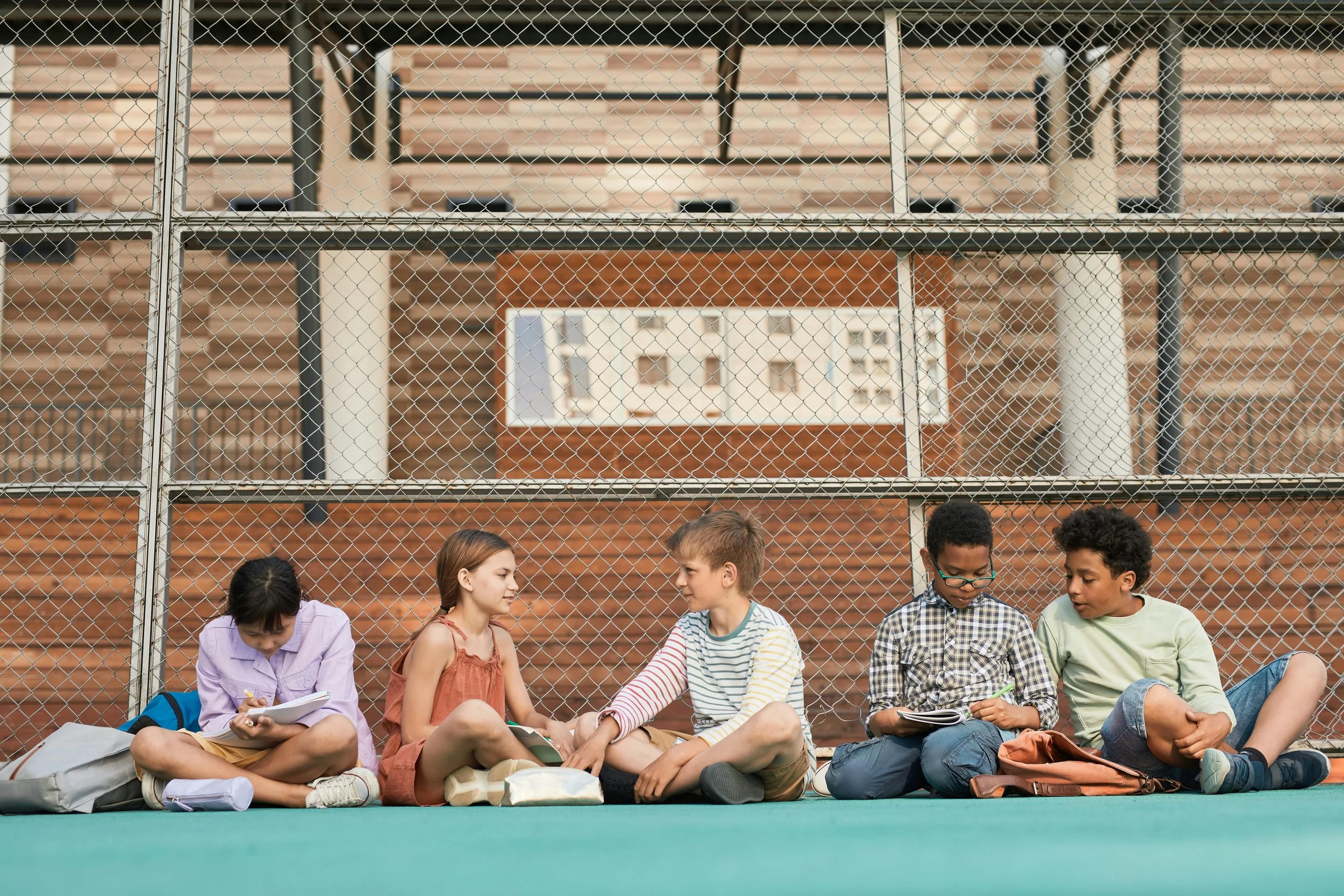
Welcome to Havenswood Safe Spaces Learning Community - a social curriculum of inclusive learning & support designed for neurodivergent children and young people who are able to study at age related levels, but who cannot access or are struggling to tolerate traditional school environments. While our sessions are led by qualified and experienced SEND teachers, Havenswood Community Learning is not a school or alternative provision facility. We are a specialist intervention & support service, designed to help and support learning through enrichment and socialisation, as well as helping children to remain connected with mainstream education whenever possible.
We provide calm, nurturing and neurodivergent-affirming spaces where learners can step away from school overwhelm, rebuild confidence and reconnect with learning in ways that feel safe, meaningful and achievable.
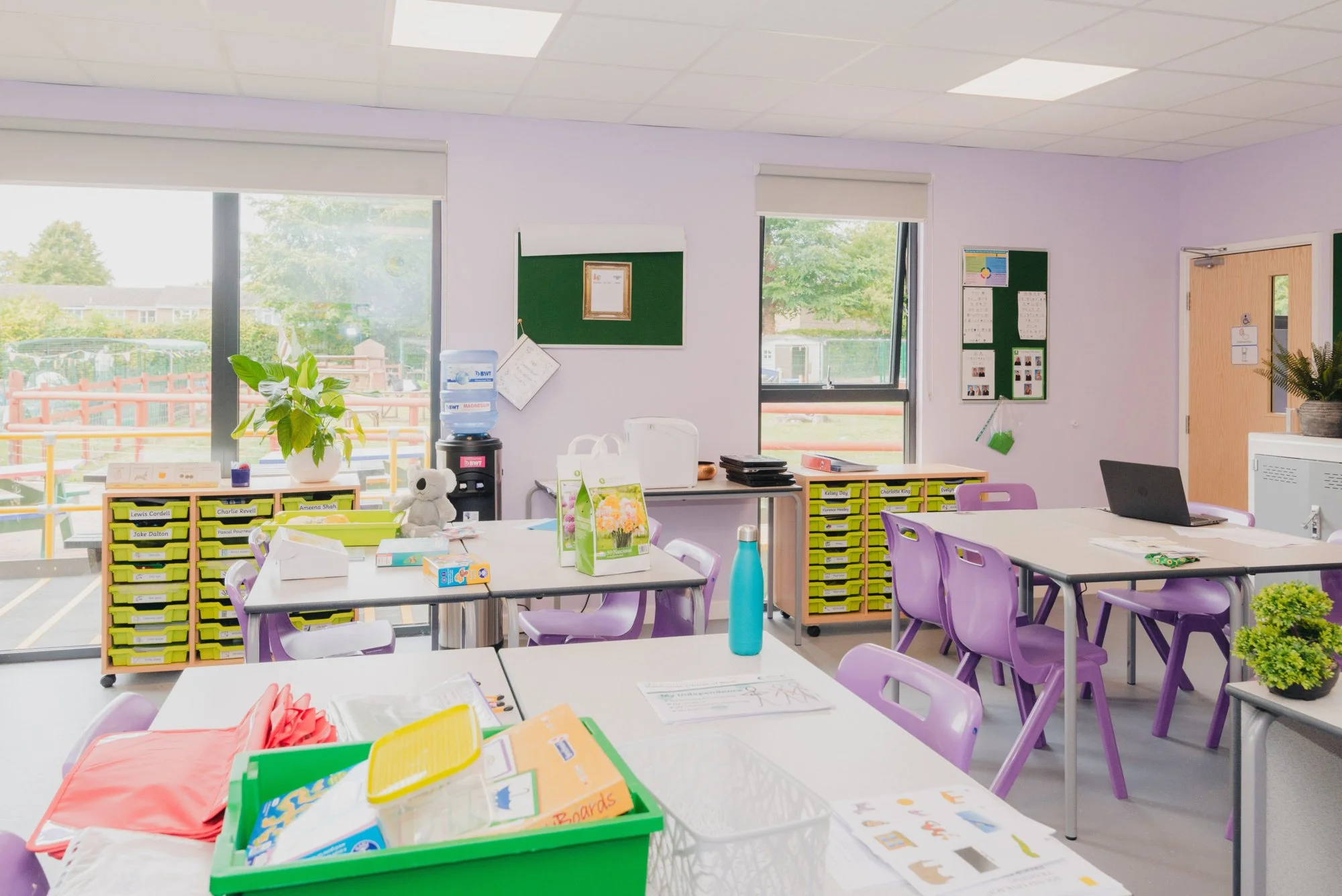
Havenswood complements existing education and support arrangements by providing enrichment, connection, confidence-building social and therapeutic opportunities.
Who We Support
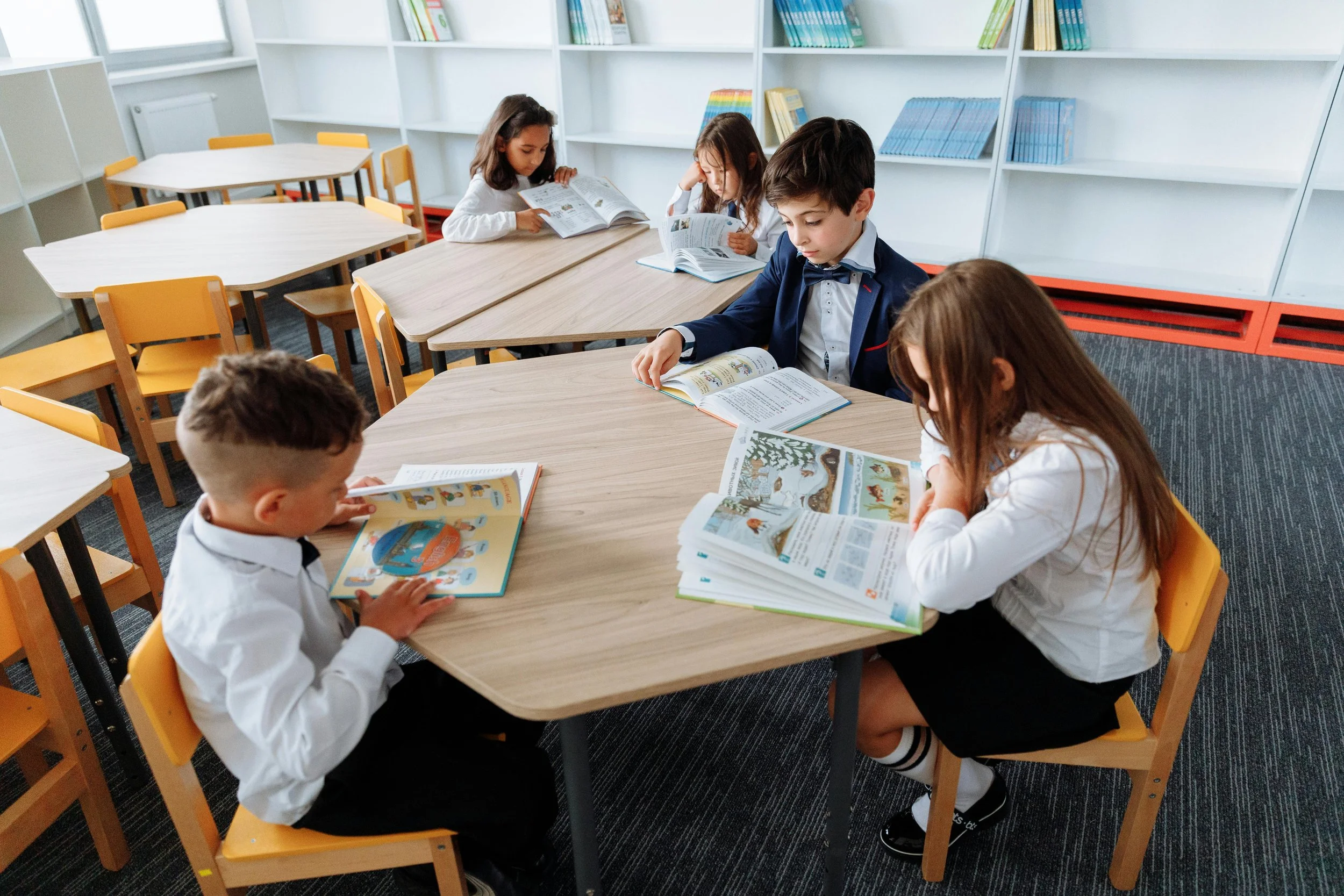
Havenswood Safe Spaces Project provides nurturing, therapeutic support for neurodivergent children and young people who do not have complex learning needs.
These are the children now known as the ‘SENDbetweeners’ - those able to study at age related levels, but who struggle to access mainstream education successfully. The children we support may be excluded from mainstream school due to unmet need, on a reduced school timetable, home educated not by choice or accessing EOTAS provision, … children who need time away from busy mainstream environments in order to regulate, recover and thrive.
For many neurodivergent children there are periods when school becomes overwhelming, exhausting or emotionally unmanageable. Havenswood Safe Spaces are designed to support schools & children during these difficult times through educational enrichment activities, therapeutic support and access to calm, nurturing alternative spaces where they can feel understood and accepted.
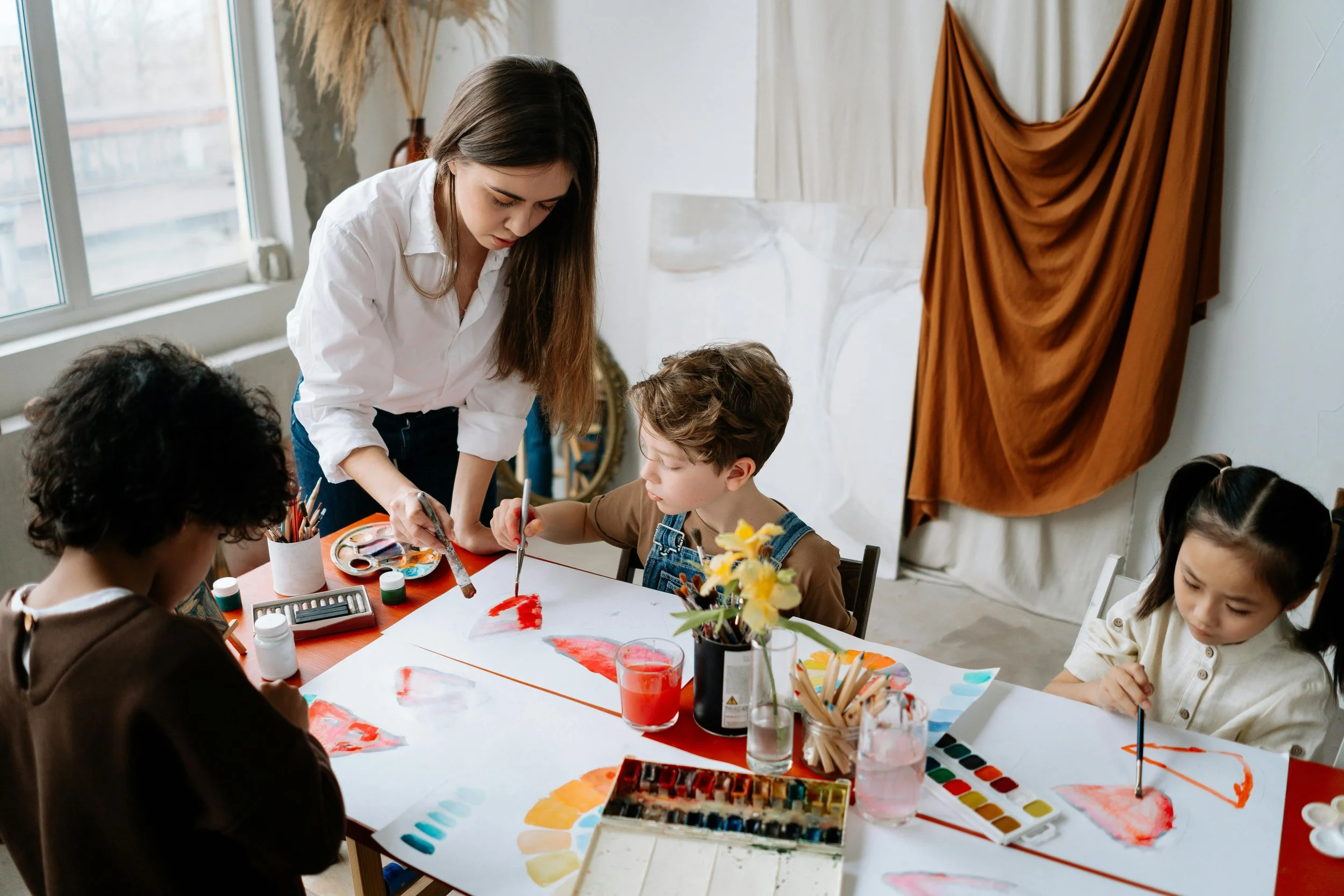
Our approach will value the needs of the individual child, with a strong emphasis on enrichment, alternative learning styles , therapeutic learning, social connection, wellbeing and preparing for the future, so that SEND children can grow into confident, capable and fulfilled adults - as well as achieve academically.
THERAPEUTIC LEARNING
Therapeutic learning is an approach that combines education with emotional wellbeing and relational support, helping children feel secure, accepted and genuinely understood while they learn and socialise. Rather than focusing solely on academic performance or fitting children into one standard model, it places equal importance on emotional development, confidence, relationships and personal growth alongside educational progress.
Our approach draws on Dan Siegel’s 4 Ss of attachment:
Safe – children feel protected and able to participate.
Seen – their unique story is understood without labels.
Soothed – calm, attuned adult responses support regulation.
Secure – consistent, trusting relationships build resilience and
belonging.
Every member of staff embodies this ethos, making relationships the
foundation for healing and learning.
**Please note that our programmes are not designed for children whose primary needs require specialist high-dependency provision, nor are they intended to replace full-time education. Havenswood complements existing education and support arrangements by providing enrichment, connection, confidence-building social and therapeutic opportunities.
Side by Side with Mainstream Education
Enrichment and time out of school doesn’t take neurodivergent children away from mainstream school - it often makes it possible for them to stay!
Our role is to complement, not replace, school /homeschooling provision.
By collaborating with schools, families and professionals, we aim to provide flexible, compassionate support that helps children re-engage with learning, build confidence and achieve better outcomes, while remaining connected to their school community and their friends.
Our focus is on creating a positive, engaging learning experience, with less reliance on traditional teaching methods and environments. This does not mean core subjects are overlooked; rather, we provide targeted, supplementary support to strengthen and reinforce school-based learning where it is needed most. Children will usually remain registered at their school, attending Safe Spaces for additional support and therapeutic input.
By responding to need rather than labels, this approach opens up fairer, more accessible opportunities for children and families, while addressing a clear gap in local specialist and alternative education provision.
Alternative Learning Styles
Building Stronger Communities
Supporting Schools
Transforming Neighbourhoods
Tackling Exclusion
Our Safe Spaces Project