Empowering Families, Inspiring Futures

Embracing Neurodiversity

Welcome to Havenswood Trust

Building a future where every neurodivergent child and family can access the education, care and opportunities they need to thrive

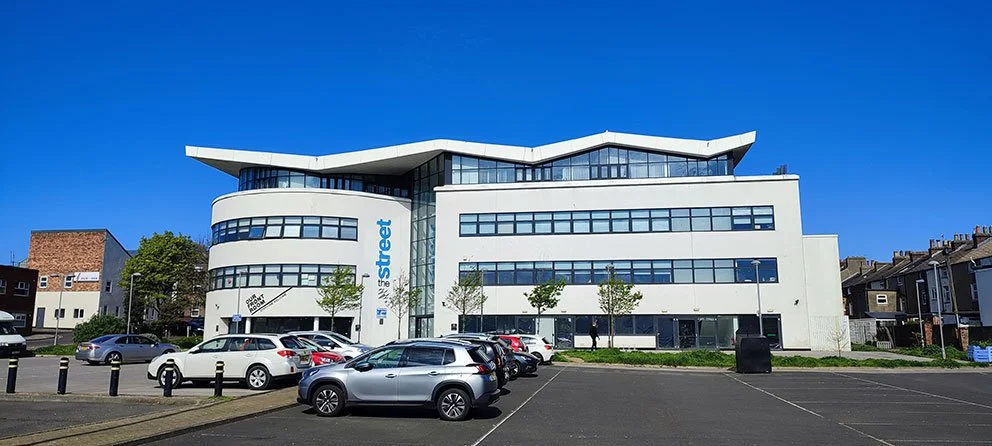
Havenswood Trust is an independent charity committed to improving the lives of neurodivergent children and their families. Together with the national charity, Oasis Charitable Trust, we are building a pioneering, supportive village community in Scarborough, for children, young people and families from the coastal regions of North Yorkshire - a place where everyone can heal, re-adjust, thrive and belong.

At Havenswood, we are here for the children who are being left behind - those who are home educated through necessity rather than choice, those struggling to survive in school environments that do not meet their needs, and those who are becoming socially isolated, lonely and excluded from childhood itself.

We’re tackling the challenges so many children with SEND and their families have faced for too long, including poor or no access to suitable education, exclusion, social isolation, mental health struggles, and a system that can feel fragmented and hard to navigate.
The Disturbing Reality

What is happening to the growing numbers of neurodivergent children in this country is not a small gap in the system anymore - it is a full-scale failure of education, health and social support.

The reality is so shocking that most people would struggle to believe this is happening to children in the United Kingdom in 2026.

At Havenswood, we work with children as young as eight years old who are already struggling to access education - some have already been without formal teaching for three years. These are not children who “don’t want to or can’t learn.” Many are bright - some exceptionally so, creative, deeply thoughtful and academically able. But they cannot survive in environments that overwhelm their nervous systems, ignore their needs and force them to exist in a constant state of stress, anxiety and burnout. Mainstream schools are increasingly unable to cope, specialist placements are oversubscribed and local authorities regularly have no alternative place of education to offer where needs can be met. The result is that children are left trapped at home with only a few hours of education a week in an additional provision facility - or none at all.

We are seeing children who are clinically depressed before they even reach secondary school, children who say they no longer want to be alive, children isolated from friendships, community and childhood itself. Lonely and sad, many retreat into gaming and online platforms, spending hours on a screen because it’s the only place they feel safe, successful or connected.

CAMHS (Child and Adolescent Mental Health Services) waiting lists now often stretch to two or even three years. Because of a shortage of NHS psychologists, many children remain for years without a formal diagnosis, without appropriate therapeutic support and without access to the medication that could help regulate their symptoms, reduce anxiety or simply allow them to sleep through the night. By the time they reach us, many are lonely, isolated, exhausted and emotionally overwhelmed - children who have lost friendships, confidence and, far too often, hope.

Their lives and the lives of their parents are a constant, relentless battle, often with no resolution or end in sight.

Behind every child is a family in crisis: exhausted parents forced to give up careers to care for children who cannot access school, families forced into inappropriate home education because there is literally no alternative, parents struggling financially, emotionally and mentally under impossible pressure. Many parents are themselves experiencing depression, breakdown and regular suicidal thoughts.

These are not isolated cases. This is happening quietly in communities across the country, and most people have absolutely no idea how many children and families are living through this crisis every single day.

These children are falling through gaps so large they are disappearing altogether, and unless society starts facing the reality of what is happening, an entire generation of neurodivergent young people - and generations to come will continue to be failed, traumatised and left behind. The situation is particularly challenging in Scarborough and across our coastal communities. Until the government and wider education system are able to revolutionise teaching and create mainstream schools that genuinely support different needs, learning styles and ways of experiencing the world, we cannot continue to wait while children struggle. We need to act now.

This problem school exclusion was described in a research paper published in the SAGE Journals (2023) as a worrying trend and…

‍ ‍“a major societal problem, with a range of potential adverse long-term consequences.”

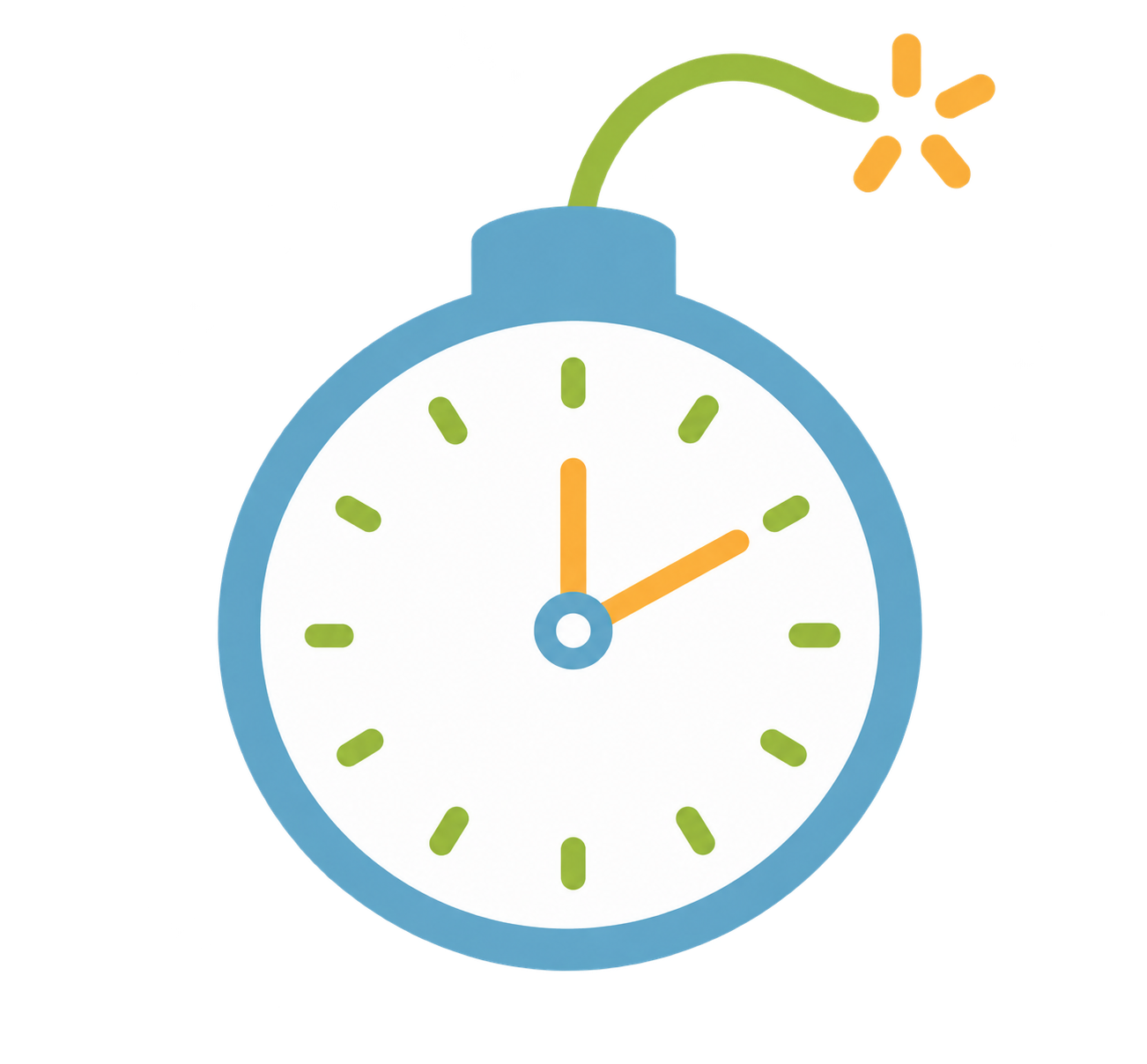
We are sitting on a ticking time bomb whose consequences will not only affect neurodivergent children and their families, but society as a whole, years into the future if urgent action is not taken.

“ It takes a Village to raise a Child”

We need to work together to make this better!

WHAT IS AN OASIS VILLAGE?

What will you find when you walk into Oasis Village, Havenswood?

Therapeutic Learning Support Unit

You won’t find a traditional school or additional provision facility. Instead you’ll find a collection of calm spaces in our support hub designed to help children stay in touch with school or to support those who cannot attend mainstream environments and are being homeschooled.

Therapeutic learning is an approach that combines education with emotional wellbeing and relational support, helping children feel secure, accepted and genuinely understood while they learn and socialise. Rather than focusing only on academic performance or fitting children into one standard model, it places equal importance on emotional development, confidence, relationships and personal growth alongside educational progress.

What you might see

In the learning community hub, small groups of children might be learning with teachers or teaching assistants in a quiet, low-pressure environment - learning through enrichment activities, catching up on missed school work, self -regulating or recovering from burnout. Nearby, a young person could be building confidence through a practical life skills session in a kitchen or workshop - or they might be outdoors, taking part in a forest school session or learning about tree planting and woodland regeneration.

Down the corridor, a speech therapist might be meeting with a family, or a child may be attending an appointment with a mental health specialist. In a shared café area, parents are having a coffee, chatting, and accessing informal support. There are quiet rooms for regulation, activity spaces for creative or physical sessions, and outdoor areas for fresh air and nature-based activities.

The same families might move between these spaces across the day or week, accessing the right support at the right time, all in one place where everything feels joined up, flexible and accessible.

The village operates through a collaborative partnership of schools, health professionals, volunteers and charities, working together rather than in competition, within a shared community covenant. Spaces and facilities are shared, reducing duplication of services, competition for funding and fragmented provision. This enables genuine collaboration and the ability to deliver the holistic support that children and families deserve and urgently need.

The Village model is a proven form of ‘integrated community provision’ designed to address complex community needs and offering alternative learning styles.

Our village will support the growing number of children in the coastal regions who struggle in, or are excluded from mainstream school environments due to trauma, burnout or unmet need. We’ll provide space to support them continue in school if possible and if efforts to re-integrate fail, we’ll support them throughout homeschooling or as part of EOTAS (education other than at school) support.

We’ll also support families and siblings through the difficult times, providing compassionate support, practical advice and guidance informed by both professional expertise and lived experience.

OASIS UK and HAVENSWOOD

Shaping the Future of SEND Support

To build our village community, we’re partnering with Oasis Charitable Trust (Oasis UK), one of the UK’s largest charities and an organisation with over 40 successful years of experience in setting up schools and delivering national and international community projects.

The Oasis “Village” model we’re adopting has been piloted in Brixton, London and has received high acclaim at government and national level as a pioneering, ‘new way’ forward - a powerful example of how bringing together education, family support and community services in one place can significantly transform outcomes.

Based on the principal that “it takes a village to raise a child,” the aim is to deliver a wide range of support that is easily accessible to those who need it.

Take a look at Oasis’ St Martin’s Village in Brixton, London to see their flagship village in action.

This is an exciting local project of national relevance, with the potential to help shape more effective SEND support and inform future provision across the country.”

‍ ‍“A Village is more than co-location or even partnership. It is the complete coming together and integration of our energy and resources – a new civil society covenant to create the opportunity for children and young people to raise their aspirations, set ambitious goals, and unlock their potential. It’s time to think like a forest rather than a group of individual trees. That is the only way we will get the job done!”

Steve Chalke - Founder of Oasis UK

Ages 8-16 Provision

Community Village

A Centre for Excellence

Havenswood Village hopes to become a recognised research centre in SEND and neurodiversity. We believe it is important to keep learning about what helps children and young people with SEND to thrive, and to be honest about what doesn’t work for them. Our SEND research programme will help us do that.

By listening to children, families, and professionals, and by trying out new ideas and approaches, we can understand what supports wellbeing, confidence, and learning. This ongoing learning means we are always improving what we offer, rather than relying on one-size-fits-all solutions. Our goal is to build knowledge that not only strengthens our own provision, but that also shapes best practice across the country.

Discover more about our research ambitions by clicking below.

Laying the foundations for a SEND village built on understanding, partnership and hope for neurodivergent families.

Get Involved

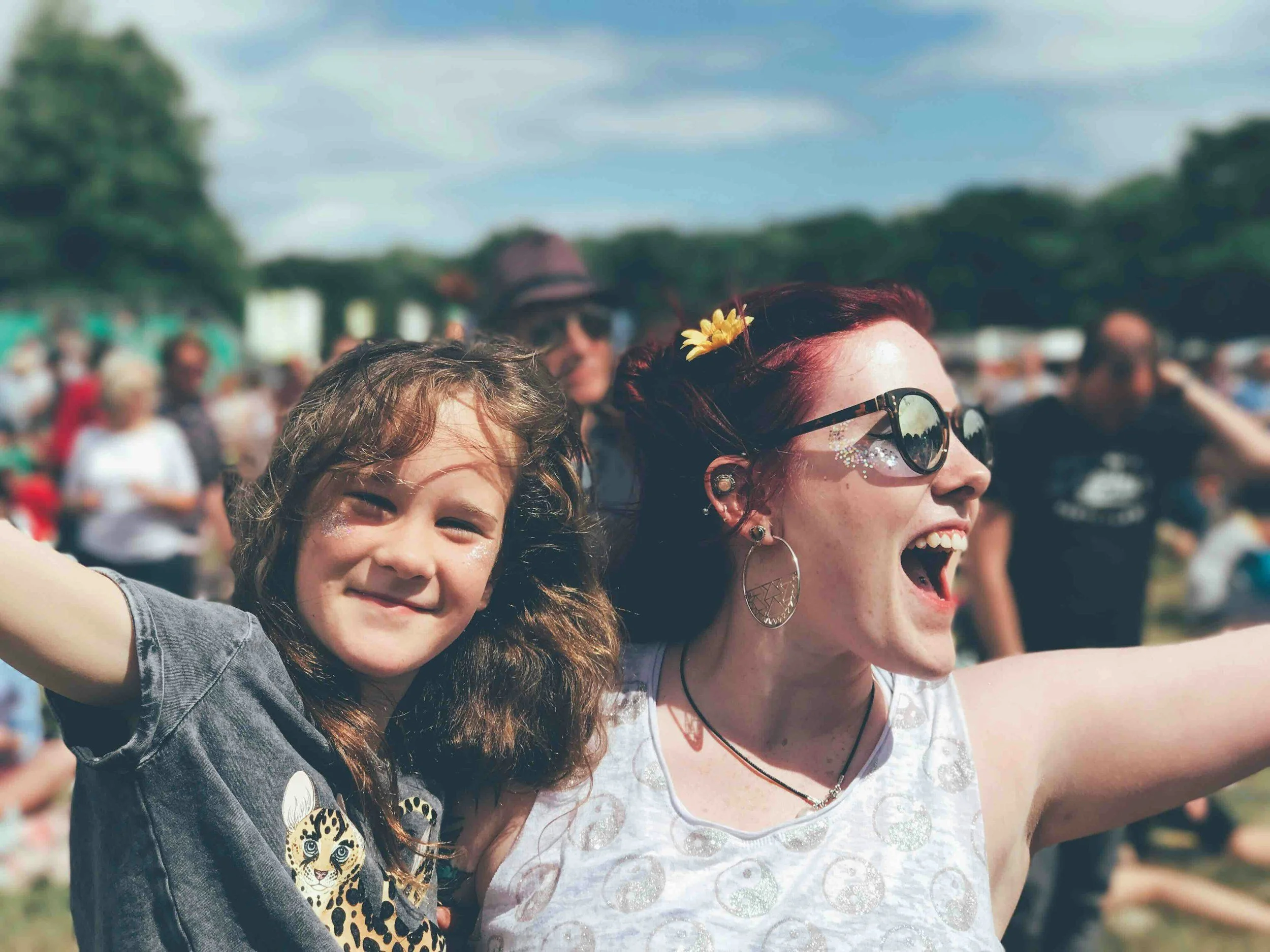
A woman with red hair, sunglasses, and a sunflower in her hair, smiling and celebrating at an outdoor festival with a young girl, both with glitter on their faces, surrounded by a crowd of people.

We know we can’t do this alone, and need your support! There are so many ways to get involved with our mission – so take a look and discover how you can help us make a real difference.

Contact Us

Feel free to contact us with any questions.

Email

info@havenswoodtrust.org


Phone
07788114559