

Alternative Learning Styles
When stepping back helps children move forward
If you’re thinking about alternative learning for your neurodivergent child or teen, here are some good reasons why you should try it.
Firstly, we want to try and keep neurodivergent children in school if possible and support them properly whilst they are there. We don’t want them to be separated, isolated, excluded or removed from their peer group… BUT - how can we really help them thrive in mainstream settings? There are some really clear, well-understood reasons why many neurodivergent children benefit from taking regular breaks from formal schooling and engaging in enrichment activities instead. It’s not about “time off learning” - it’s really the opposite. It’s about learning in a way that actually works for their brain. What we’re creating at Havenswood isn’t a “nice extra,” it’s a genuinely evidence-informed alternative pathway that meets neurological needs first, not last.
Here are the key reasons why this approach works in a practical and human way:
1. Learning through interest (which is how many ND brains thrive)
Neurodivergent children often learn best when they are interested, not when they are forced. Enrichment activities tend to be:
hands-on (art, climbing, cooking, music, riding)
choice-led
intrinsically motivating
This taps into dopamine pathways (especially important for ADHD), meaning they focus more, retain more, and feel successful.
2. Safe Social Experiences
School social environments can be complex and overwhelming:
large groups
unstructured times (playground, lunch)
risk of rejection or bullying
Smaller enrichment groups offer:
predictable interactions
shared interests (which naturally support connection)
more adult support to scaffold friendships
This builds confidence without the social exhaustion.
3.Reduced Cognitive & Sensory Overload
Mainstream school environments can be incredibly demanding spaces to tolerate everyday, 5 days a week - noise, transitions, social expectations, constant instructions etc. For many neurodivergent children (especially autistic and ADHD profiles), this creates chronic brain overload that they just can’t cope with and eventually results in burnout.
When they take some time out to step into enrichment activities the environment is usually calmer or more controlled, expectations are clearer and fewer, and sensory input is more manageable.
4. Lower Demand = Higher Engagement
In school, children are often operating in a constant state of “demand pressure”:
sit still, listen, write, transition, perform. Enrichment spaces tend to:
reduce performance pressure
allow flexible pacing
remove fear of getting things wrong
When demand drops, engagement rises. You often see children who “can’t cope in school” suddenly thriving.
5. Rebuilding Identity and Self-Esteem
Many neurodivergent children in school experience repeated failure or misunderstanding.
Enrichment activities give them a chance to:
succeed
be seen differently
discover strengths
This is huge. You often see a shift from:
“I’m bad at everything” → “I’m actually good at this”
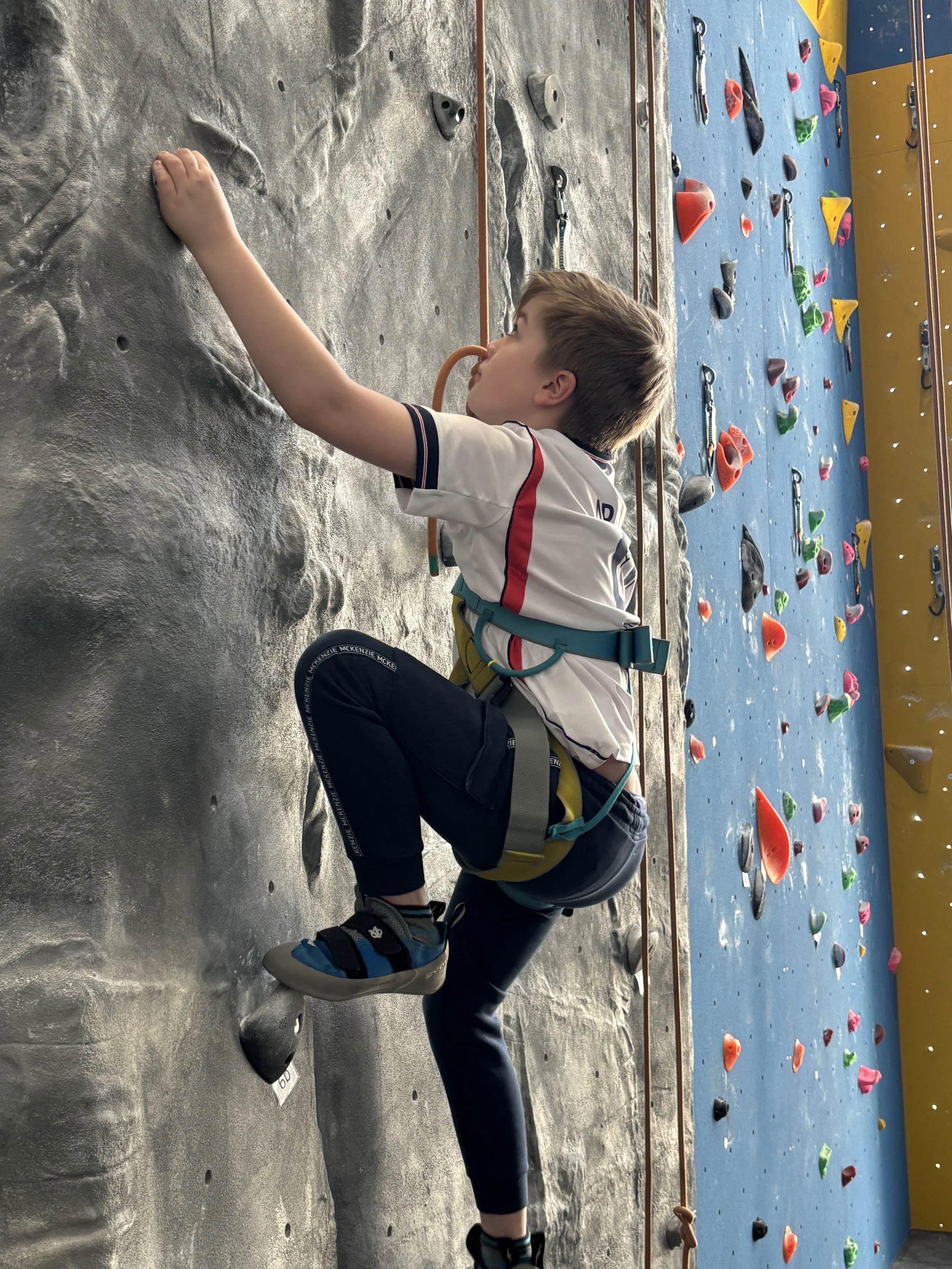




Regulation before Education is the key!
This is a really important principle to understand: a dysregulated brain cannot learn. It needs time and space to adjust. Enrichment activities naturally support regulation through movement, creativity, rhythm and routine.
Once regulated, children are far more open to learning - even academic learning later on.
In simple terms, for many neurodivergent children, enrichment activities remove the barriers that school unintentionally puts in place. When those barriers are gone, their ability to learn, connect and thrive flourishes.