

The Ticking Time Bomb
WHY HAVENSWOOD MATTERS
A Crisis Hidden in Plain Sight
What is happening to the growing numbers of neurodivergent children in this country is not a small gap in the system anymore - it’s a full-scale failure of education, health and social support. The reality is so shocking that most people would struggle to believe this is happening to children in the United Kingdom in 2026.
At Havenswood, we work with children as young as eight, who are out of education - some have already been without formal teaching for three years. These are not children who “don’t want to or can’t learn.” Many are bright - some exceptionally so - creative and academically able. But they cannot survive in environments that overwhelm their nervous systems, ignore their needs and force them to exist in a constant state of stress, trauma, anxiety and burnout.
A System Under Impossible Pressure

Mainstream schools - stretched to breaking and without the right facilities, training or funding - are increasingly unable to cope. Even schools with specialist support units struggle to cope with the number of children who need help. Alternative provision placements are oversubscribed and local authorities regularly have no alternative place of education to offer where needs can be met. The result is that children are left trapped at home with nowhere to go, able to access only a few hours of education a week - or unable to access any education at all.
The Mental Health Impact

We are seeing children who are clinically depressed before they even reach secondary school, children who say they no longer want to be alive, children isolated from friendships, community and childhood itself. Lonely and sad, with no friends, many retreat into gaming and online platforms, spending hours on a screen because it’s the only place they feel safe, successful or connected.
Waiting Years for Help

CAMHS (Child and Adolescent Mental Health Services) waiting lists now often stretch to three and even four years - and longer in some areas. Because of a shortage of NHS psychologists, many children remain for years without a formal diagnosis, without appropriate therapeutic support and without access to the medication that could help regulate their symptoms, reduce anxiety and allow them to attend school - or simply allow them to sleep through the night!
By the time they reach us, many are lonely, isolated, exhausted, sleep deprived and emotionally overwhelmed - children who have lost friendships, confidence and, far too often, hope.
Families in Crisis
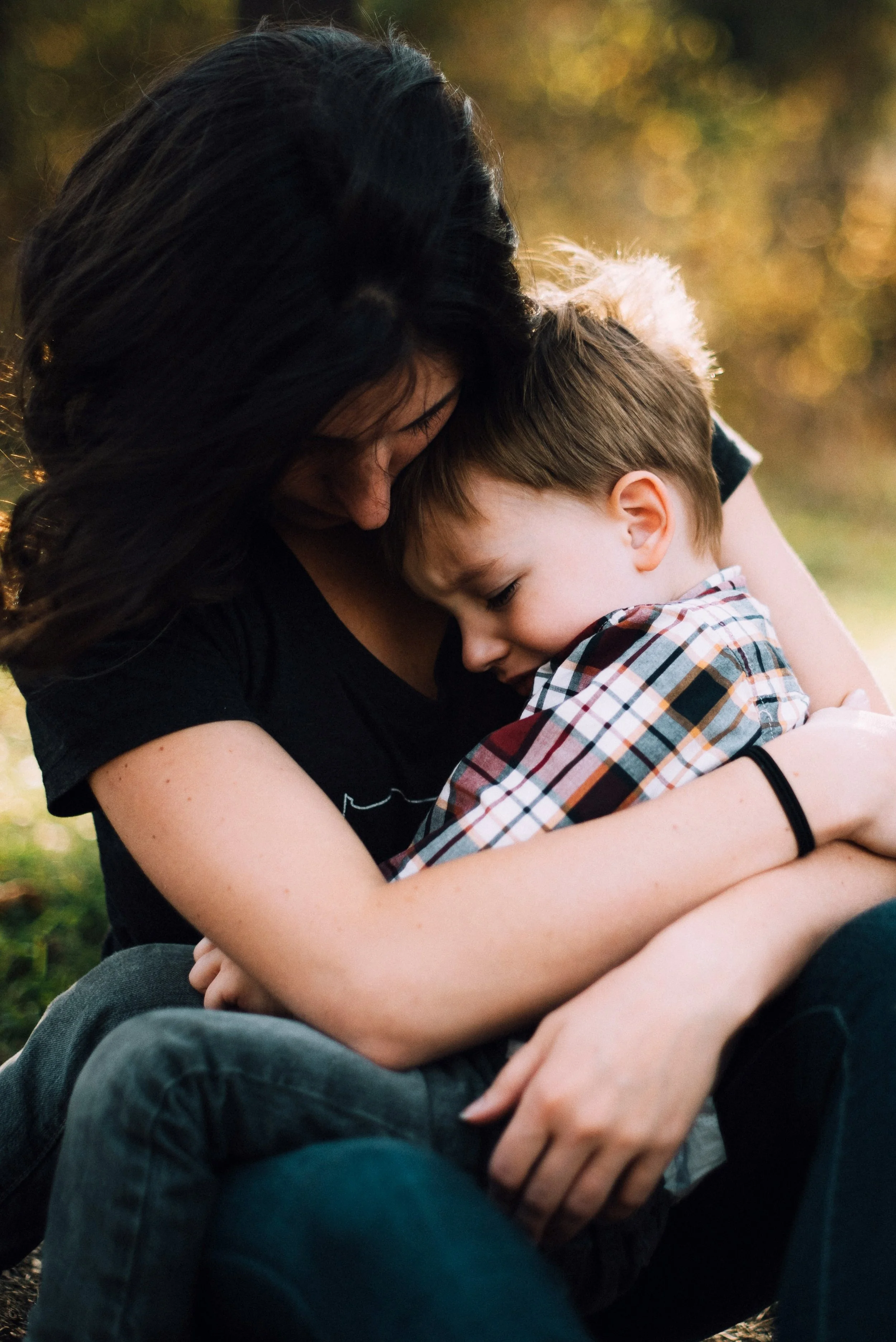
Their lives and the lives of their parents are a relentless battle for support, often with no resolution or end in sight.
Behind every child is a family in crisis: exhausted parents forced to give up careers to care for children who cannot access school, families forced into inappropriate home education because there is literally no alternative, parents struggling financially, emotionally and mentally under impossible pressure. Many parents are themselves experiencing depression, breakdown and regular suicidal thoughts.
These children are falling through gaps so large they are disappearing altogether, and unless society starts facing the reality of what is happening, an entire generation of neurodivergent young people - and generations to come will continue to be failed, traumatised and left behind.
This is not an Exaggeration
These are not isolated cases - and this is not an exaggeration. These are the cold, hard facts.
This scenario is happening quietly in communities across the country, and most people have absolutely no idea how many children and families are living through this crisis every single day. What is more disturbing is that the numbers are growing.
This problem of school exclusion was described in a research paper published in the SAGE Journals (2023) as a worrying trend and…
“a major societal problem, with a range of serious, potential adverse long-term consequences.”